Ultra-Processed Foods: The Convenience Trap That’s Costing Your Health
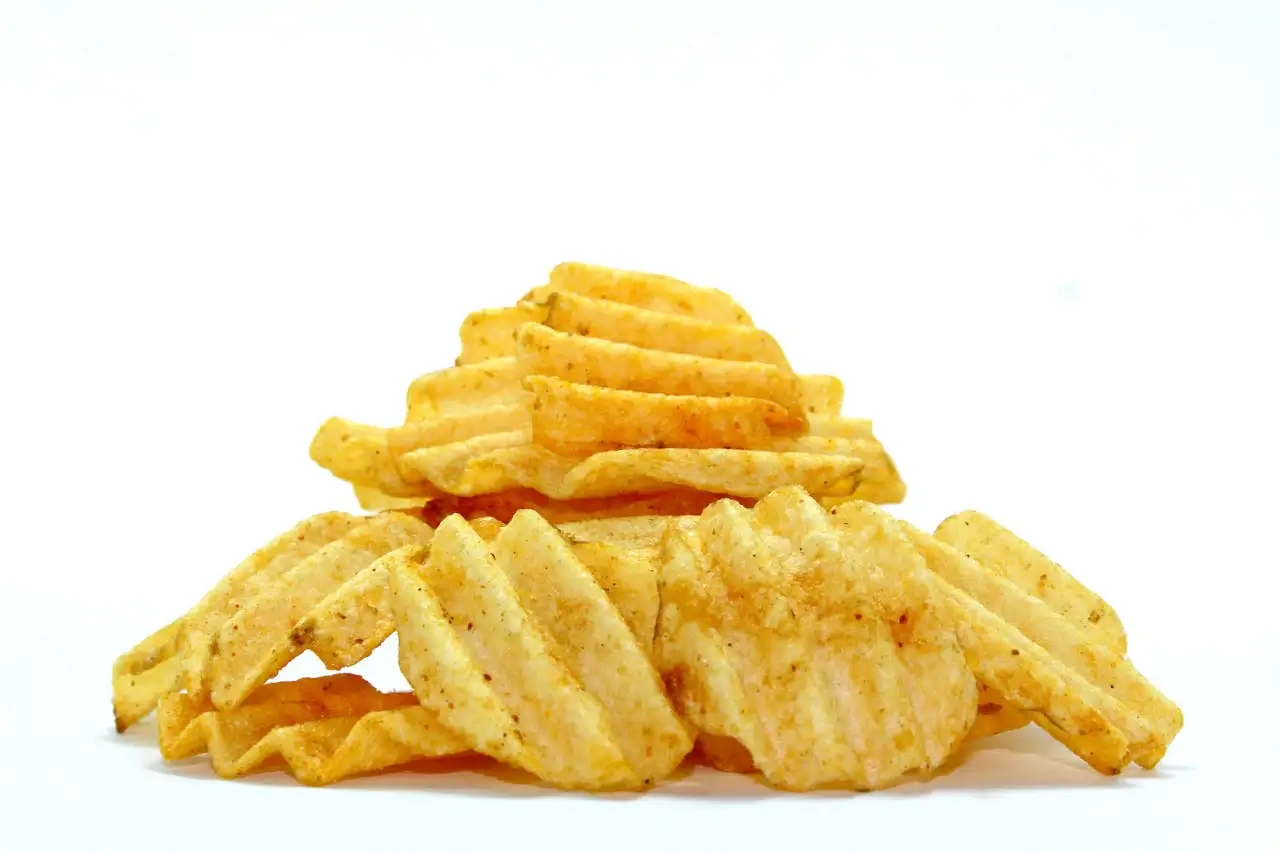
In today’s fast-paced world, ultra-processed foods (UPFs) offer a tempting shortcut — quick, tasty, and shelf-stable. But behind the convenience lies a growing body of research showing that these foods may be quietly undermining your health goals.
What Are Ultra-Processed Foods?
UPFs are industrially manufactured products made mostly from ingredients extracted or synthesized from whole foods. They often contain:
- Artificial flavors and colors
- Emulsifiers and stabilizers
- Added sugars, salts, and fats
Common examples include:
- Packaged snacks and cookies
- Sugary breakfast cereals
- Instant noodles and frozen meals
- Soft drinks and flavored yogurts
What the Latest Research Shows
A landmark study published in Nature Medicine (August 2025) compared two diets — one rich in minimally processed foods and the other dominated by UPFs. Both diets met national nutrition guidelines, but the outcomes were striking:
| Metric | Minimally Processed Diet | Ultra-Processed Diet |
|---|---|---|
| Average Weight Loss | 2% | 1% |
| Fat Mass Reduction | Significant | Minimal |
| Cravings | Decreased | Increased |
| Calorie Intake | Lower | Higher |
Participants on the minimally processed diet also reported better control over food cravings and greater reductions in visceral fat — the kind linked to heart disease and metabolic dysfunction.
Why UPFs Sabotage Your Goals
Even when nutritionally matched, UPFs tend to:
- Be more calorie-dense, leading to overeating
- Trigger stronger cravings, especially for salty and sweet foods
- Disrupt appetite regulation, making it harder to stop eating
They’re engineered to be hyper-palatable — which means your brain wants more, even when your body doesn’t.
The Power of Whole Foods
Minimally processed foods — like fresh produce, whole grains, legumes, and lean proteins — offer:
- Better satiety
- Lower calorie density
- Richer nutrient profiles
- Improved gut health and mood stability
Smart Swaps to Get Started
| UPF Item | Whole Food Alternative |
|---|---|
| Breakfast bar | Overnight oats with fruit |
| Flavored yogurt | Plain Greek yogurt + honey |
| Frozen pizza | Whole grain pita + veggies + cheese |
| Soda | Sparkling water with lemon |
Bottom line: Ultra-processed foods may be convenient, but they come at a cost — from weight gain to increased cravings and long-term health risks. By choosing whole foods more often, you’re not just eating smarter — you’re investing in your future.